Press kit
Witchspace
A free, open-source space game that runs in the browser: trade, fight, explore and build in eight galaxies of glowing vector space. A love letter to Elite (1984), built in the open with the people who play it. Everything here is free to use when you write about it.
New, 24 October 2026
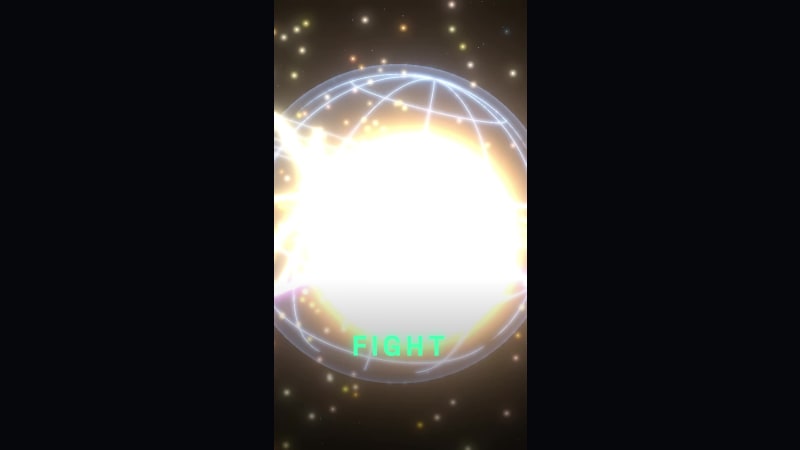
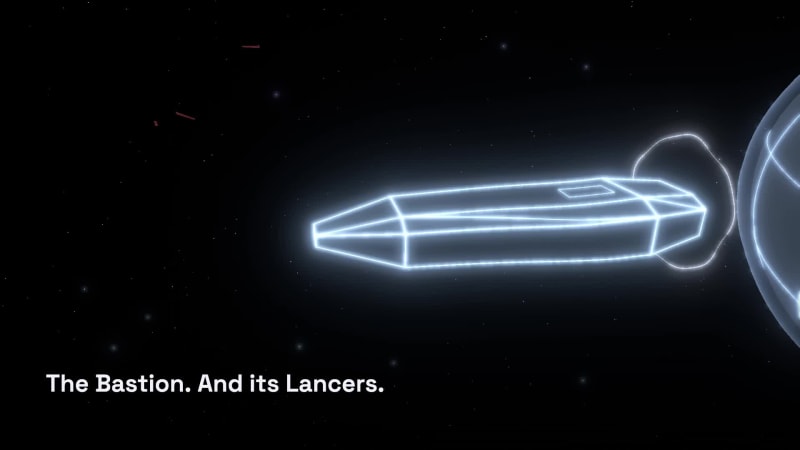
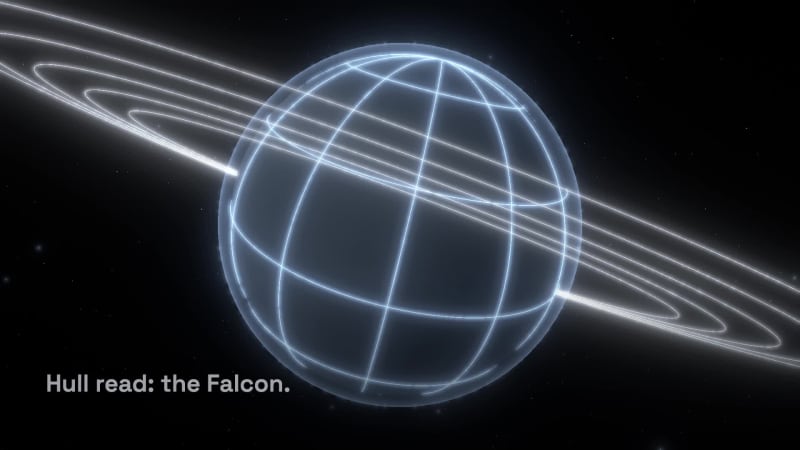
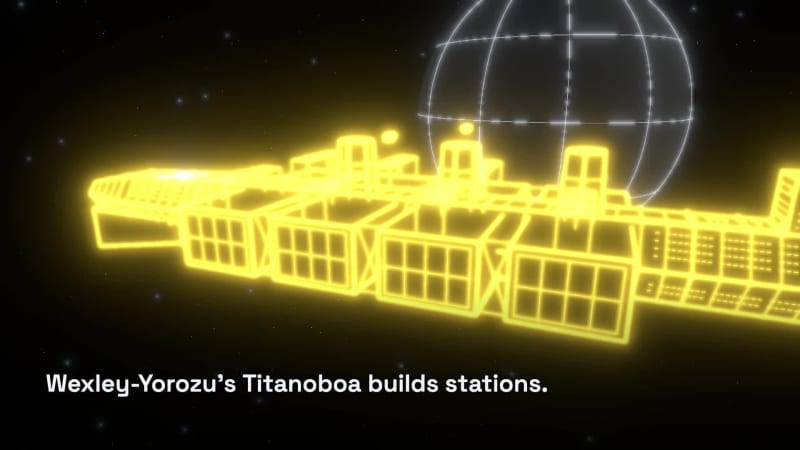
- A new trailer and seven short films: the docking waltz, the Marshals arriving through a rift, the Falcon, a dogfight and a station being built. There's a vertical cut for stories.
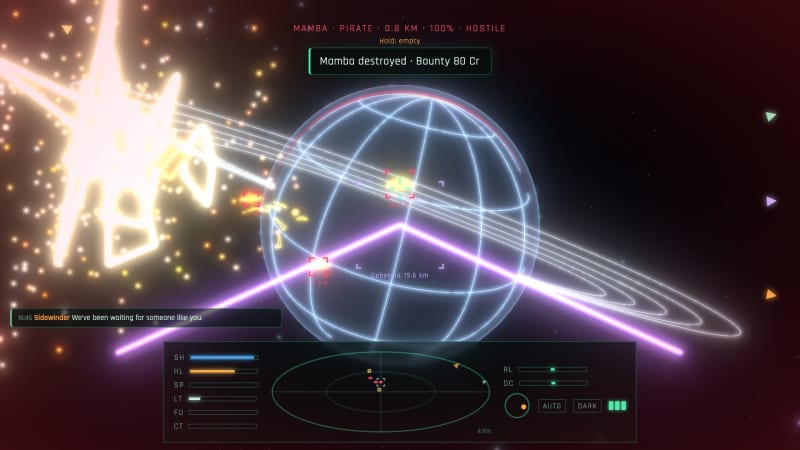
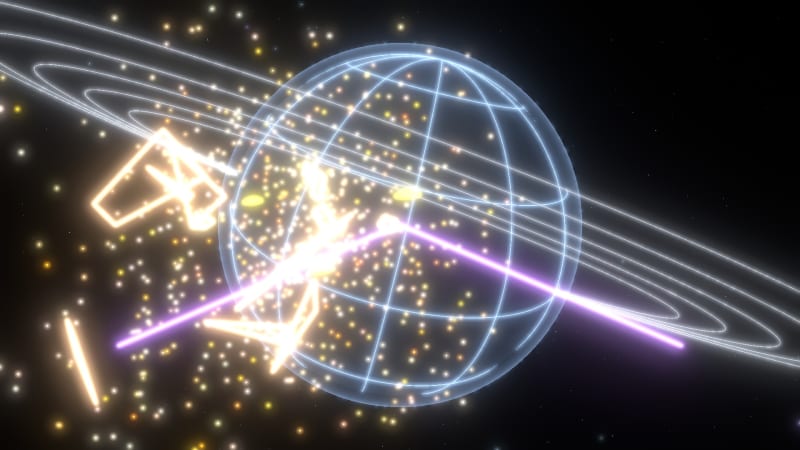
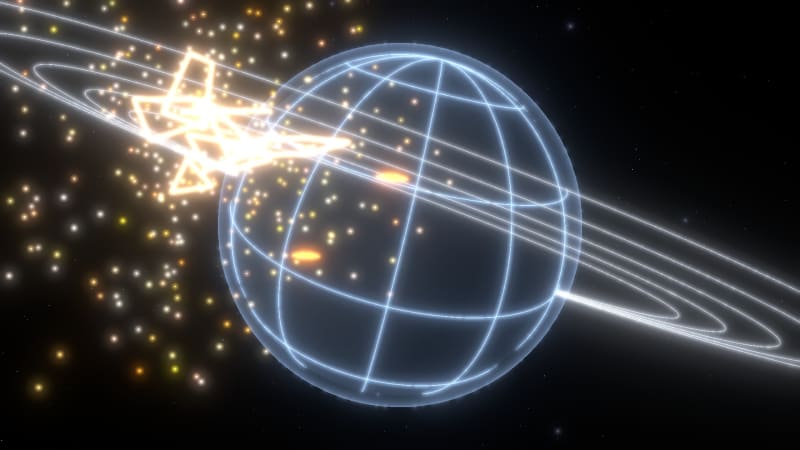
- Twenty-six new screenshots, every one taken in the game: pirate packs, military lasers on gimbals, the exchange in a famine, surveys, the Titanoboa at work, and phones.
- Build: Wexley-Yorozu's Titanoboa builds stations stage by stage where everyone can see, and the roadmap and every design are open for anyone to help with.
Films and screenshots
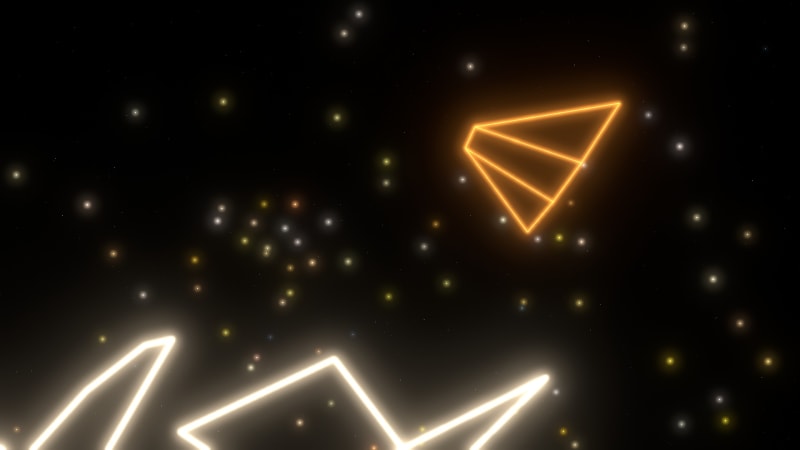
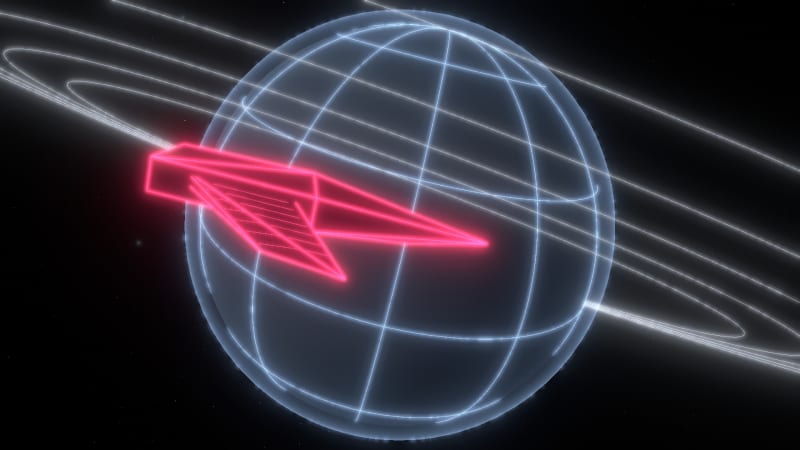
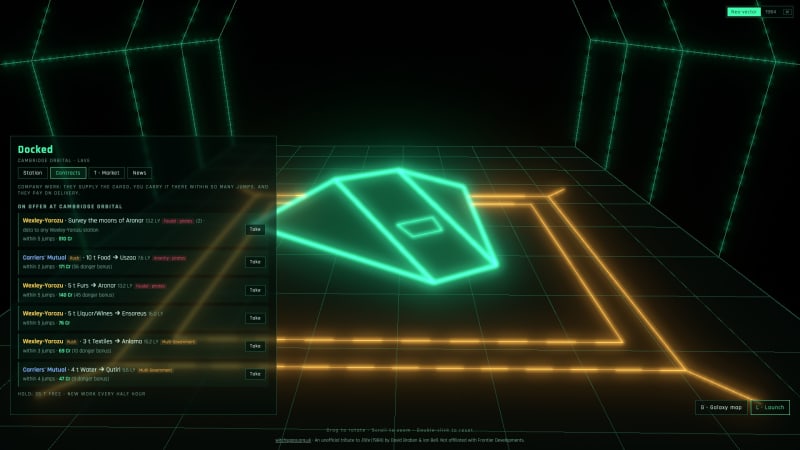
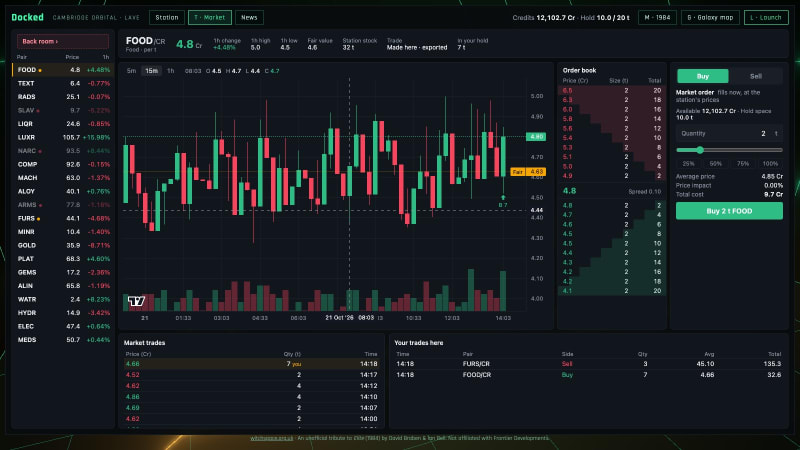
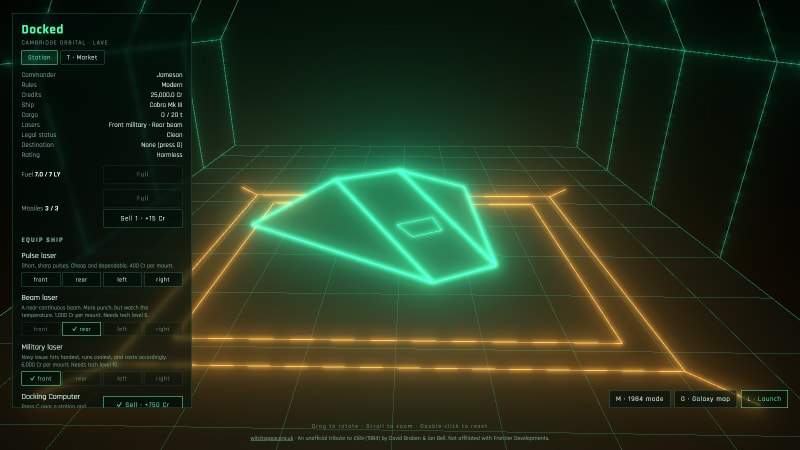
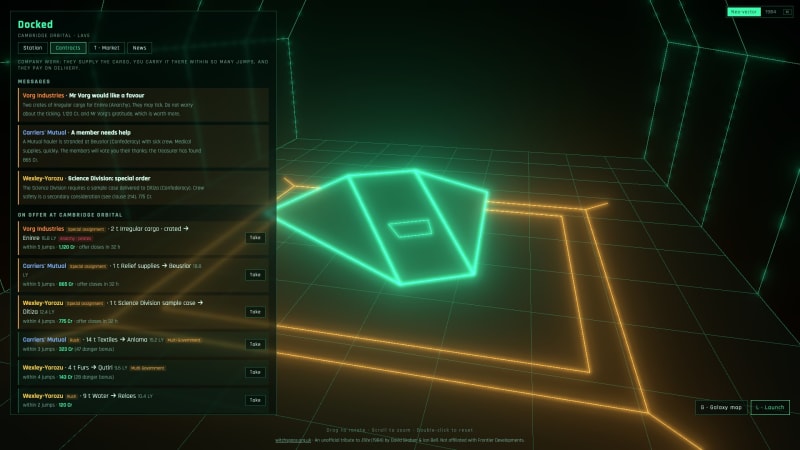
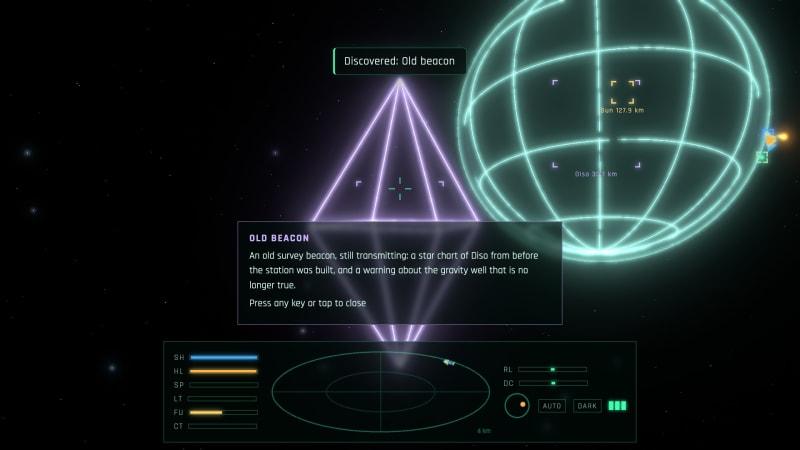
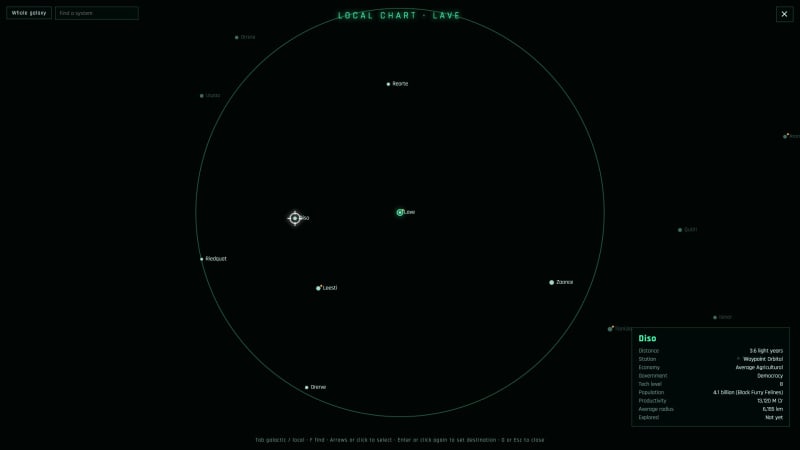
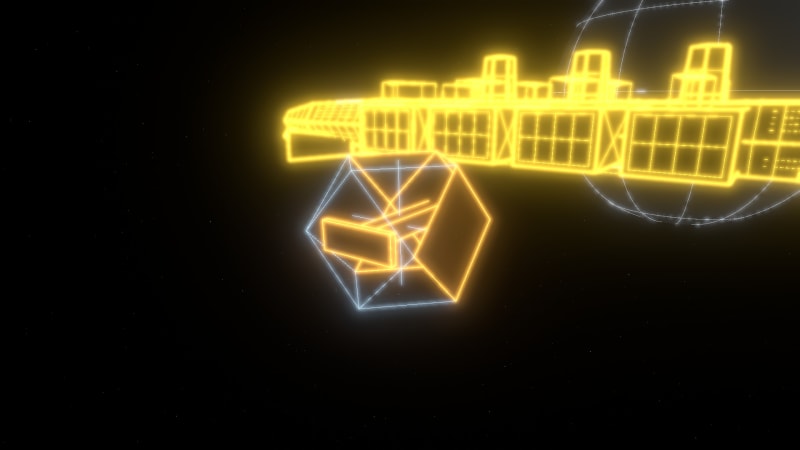
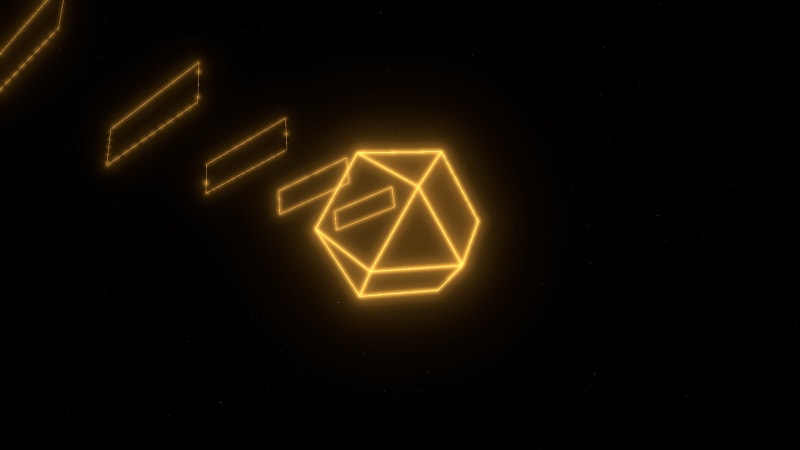
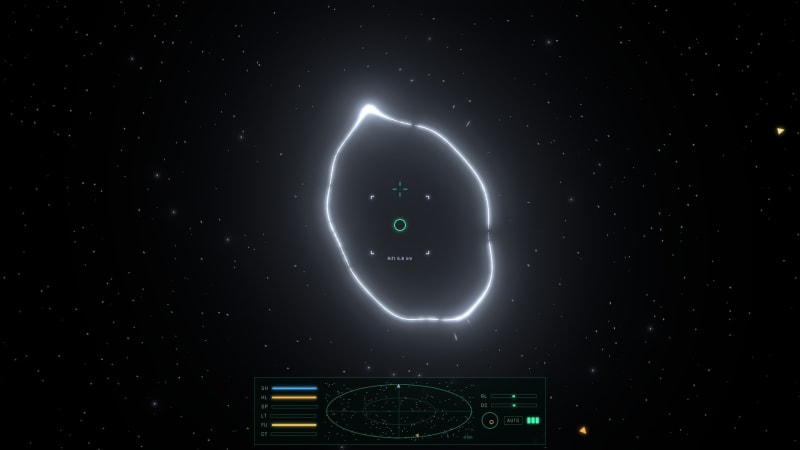
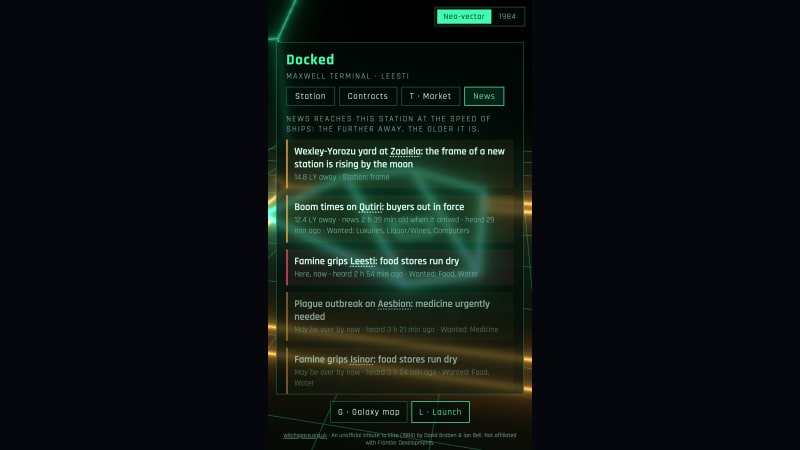
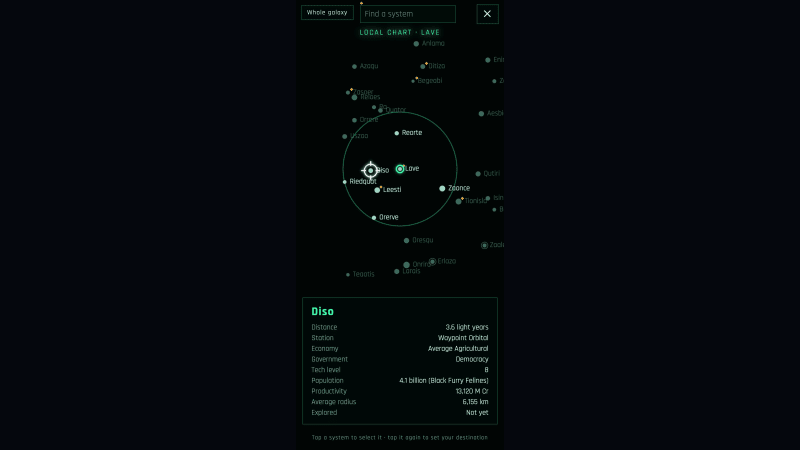
Every picture is from the game itself, nothing painted over. Open any of them full size, download the original, or share it: each has its own link that unfurls with that picture or film.





















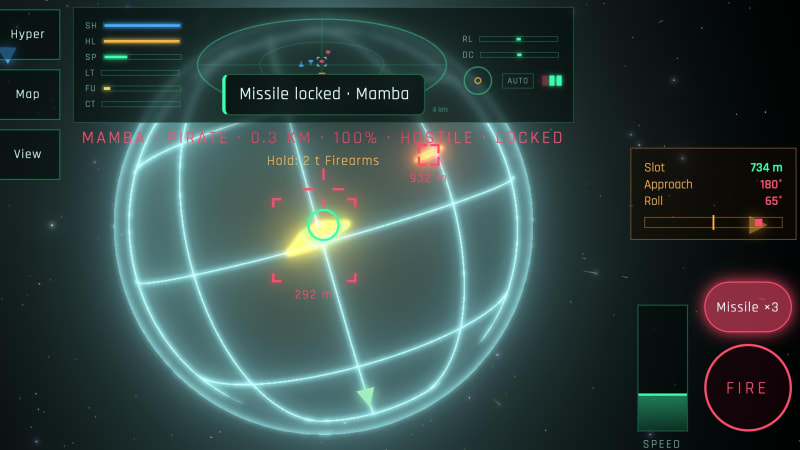


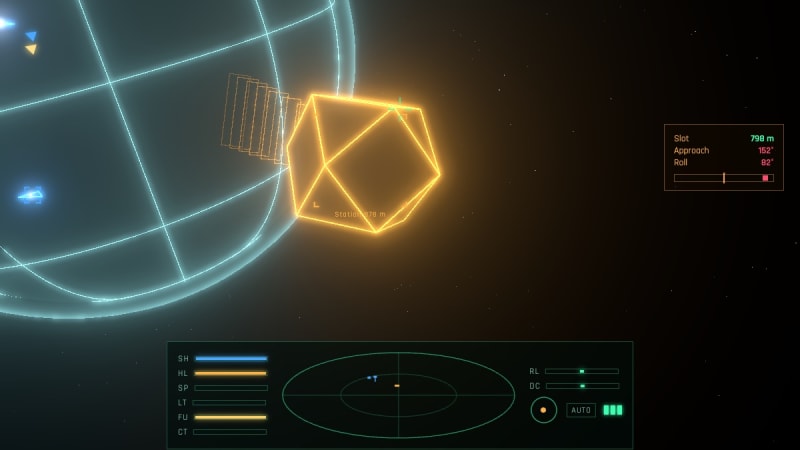
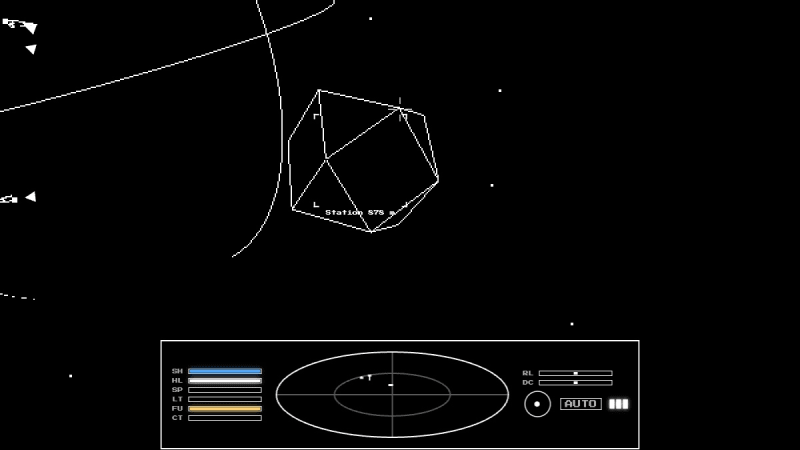

Words to use
Copy, paste and edit as you like.
One line
Witchspace: trade, fight, explore and build in eight galaxies of glowing vector space, free in your browser. An open-source tribute to Elite (1984).
Short
Witchspace is a free, open-source space game that runs in the browser: a love letter to Elite (1984). Start with 100 credits and a Cobra Mk III, then trade on living markets, hunt pirates who fly in packs, survey worlds and put your name on the chart, and watch new stations being built across a galaxy that runs on the same clock for everyone. One key switches to an authentic 1984 look.
Longer
In 1984 Ian Bell and David Braben fitted eight galaxies, wireframe space flight and an open-ended trading game into about 22 KB of a BBC Micro, and invented a genre. Witchspace is a fan's tribute: an open-source game that keeps the soul of the original (the crisp vector ships, the galaxy you remember, that heart-in-mouth docking, to the Blue Danube) and builds the parts a 1984 computer never could around it.
It runs in any browser, on a phone as well as a desktop. The markets are a real exchange, moved by traders, supply chains and world events, with news that travels at the speed of ships, so the commander who hears first can profit, without ever leaving the dock. Every system has its own money, from pegged stablecoins to printing presses, and some of them fail. Pirates hunt in packs and grow wary of a commander who keeps winning; a Legend called the Falcon runs dark through the lawless systems. Break the law badly enough and the Co-operative Marshals tear their way in through a witchspace rift. Explorers survey worlds and the first to bring the data home goes on the chart, while Wexley-Yorozu's Titanoboa builds new stations stage by stage where everyone can see.
Everything is designed in the open: the roadmap and every design document are public, and players can add ships, characters, stories and missions, most of it without writing code.
What's in it
- Eight galaxies of 2,048 star systems, generated just where they were in 1984, on one clock shared by every commander
- Shared space (beta, opt-in): fly in the same system as other commanders, live, and see them on your scanner
- Flight with the original's feel, and the docking computer's waltz to the Blue Danube
- Combat from Harmless to Elite: lasers on four mounts (pulse to military), gimbals, missiles and ECM, against pirates who hunt in packs and learn to be wary
- The Falcon, a Legend: a lone pirate running dark, unidentified until you're close enough to read her hull
- A real trading exchange, from the dock: candlestick charts with the news marked on them, an order book and limit orders
- Money that works like money: a currency for every system, each with its government's policy (a pegged stablecoin, a printing press, a fixed supply), pools to swap them at every station, company stablecoins, and Bitcoin priced from the real market. All in game credits: nothing can be bought with real money
- World events (famines, booms, strikes, wars) and news that travels at the speed of ships
- Four trading companies with contracts, standing and the files they keep on you
- The law: running dark, local records, surrender, insurance, and the Co-operative Marshals, who come through a witchspace rift
- Exploration: survey worlds and moons, find old beacons and wrecks, and be first on the chart
- Building: Wexley-Yorozu's Titanoboa builds new stations by moons, stage by stage, over days
- Ships you own: spec a Fer-de-lance in the configurator (colour, glow, lasers, luxuries), pay a deposit and collect her from the yard, with an owner's manual. Two numbered editions, offered by invitation to contributors: the Witch-fire, 100 built, and the Dark, 50 built. Anyone can name one in the configurator and share her.
- A 1984 mode, one keypress away: white lines on black, as the original drew them
- Every flight is a story. Share yours in one tap: the flight recorder keeps the moments that matter (a fight, a first on the chart, a trade run worth boasting of), and a shared clip gets a page and a card of its own, playing the video you chose, with the fight rebuilt from outside a tap away. Press P, or tap the camera on a phone, for a clean photo
- Made for phones as much as desktops: touch flight, a guarded missile trigger, and a view button you hold and slide to glance left, right or behind
- Modern rules (insurance, flight assists) or Classic rules (one life, as in 1984)
Fact sheet
- Name
- Witchspace
- Play
- witchspace.org.uk/play
- Platforms
- A web browser, on desktop, tablet or phone: Safari 14, Chrome 87, Firefox 78 or Edge 88, or newer. On an old Mac, Chrome or Firefox
- Size
- Under half a megabyte to start playing
- Price
- Free. Nothing can be bought with real money
- Status
- Playable and growing, updated most days. Single-player with a shared galaxy clock and optional shared space (beta), where you fly with other commanders live; see the roadmap
- Source
- github.com/witchspace-game/witchspace
- Licences
- Code GPL-3.0, content CC BY-SA 4.0
- Built with
- TypeScript, three.js and Vite, with AI assistance, in the open
- Contact
- hello@witchspace.org.uk
About the name and the tribute
Witchspace is an unofficial, non-commercial tribute to Elite (1984) by Ian Bell and David Braben. It is not affiliated with or endorsed by Frontier Developments, Ian Bell or David Braben. Elite is a trademark of Frontier Developments plc. The ship names are a deliberate tribute; the code, ship designs, text and art were made from scratch for this project.